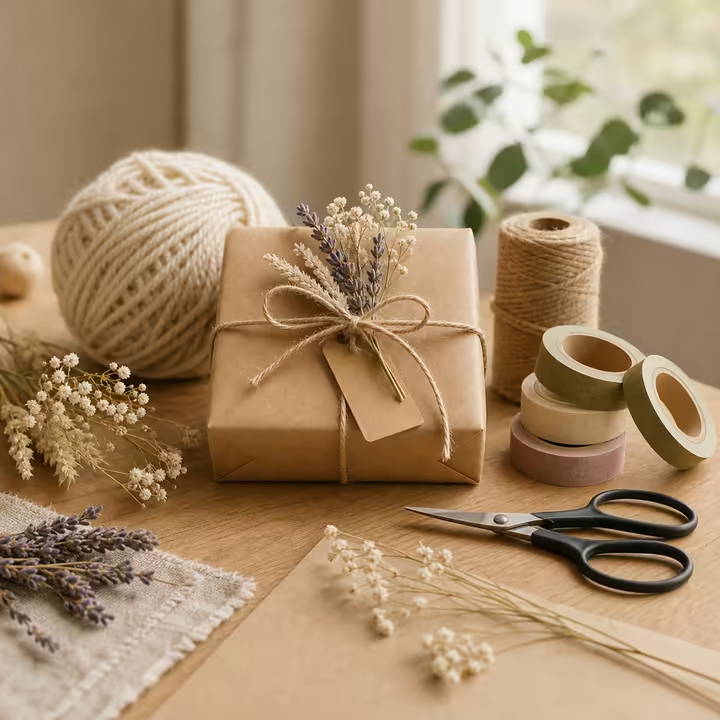
The rule with handmade is to stop apologising for imperfection. The wobble in the knit, the slightly uneven label on the jam jar, the handwriting on the tag — those are the signals that someone made this. A flawless handmade gift looks bought; an honest one reads as made. Whether the pairing comes out of a Secret Santa hat or a sealed Cuchumbo, the made object lands harder than the catalogued one because it carries hours money cannot buy.
Four directions that travel
Baked goods in a thoughtful container
Cookies in a reused biscuit tin lined with baking paper, a small loaf of banana bread wrapped in parchment, a jar of granola with a ribbon. The container becomes half the gift — and it should be reusable, not disposable. Include the recipe if the texture is good, and consider doubling the batch so the giver can keep a sample to compare notes with the recipient afterward.
A knit or crochet piece in a simple pattern
A ribbed beanie, fingerless mittens, a small dishcloth in cotton, a long simple scarf. You do not need to be advanced — basic stitches in a good yarn look better than complex patterns in cheap yarn. Choose color first, complexity second; a single colour ribbed in a beautiful merino reads as far more considered than a busy intarsia in acrylic.
A preserved food — jam, pickle, infused oil
A small jar of seasonal jam, a jar of pickled carrots or onions, a bottle of oil infused with herbs from the windowsill. Preserved foods scale well, travel well, and pair beautifully with a handwritten label that names the date and place. They also slot into a family cuchumbo or an office cuchumbo without raising the dietary questions a wrapped object often does.
A playlist, on physical media
A mixed-CD in a case with hand-drawn cover art, a cassette if you know the gear exists, a small notebook of song titles with a story for each. Physical media for playlists sounds retro precisely because it is — and retro is sincere in the way a Spotify link is not.
How to present handmade
Always include a handwritten card explaining the process — when you baked, what yarn you chose, where the fruit came from. The story doubles the gift. And never apologize for rustic edges; the imperfection is the signature. If you are running a remote cuchumbo and shipping the made object, photograph it before it leaves your hands so you have a record of how it looked when it was new.
Pair the names first, bake second
A Cuchumbo draws the names so you know who you are making for before you pick the recipe or pattern. The match is sealed, no account is needed, and the whole thing is free — handmade works best when it fits one specific person, and the sealed pair is what makes the fit possible.